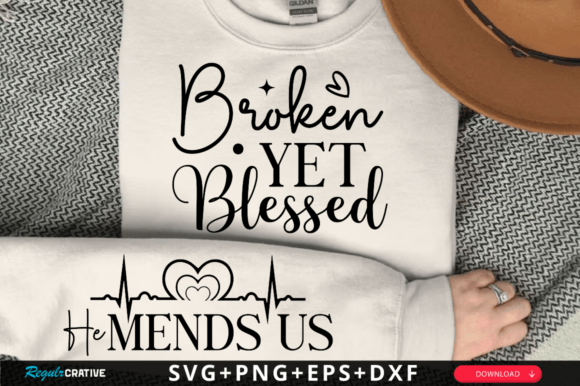
Broken Yet Blessed Sleeve SVG Design
A Designer’s First Look: Grace in Imperfection
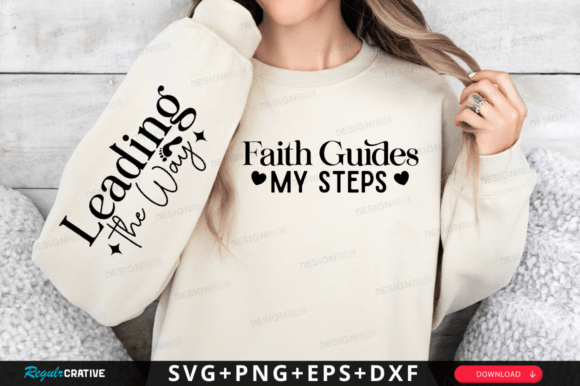
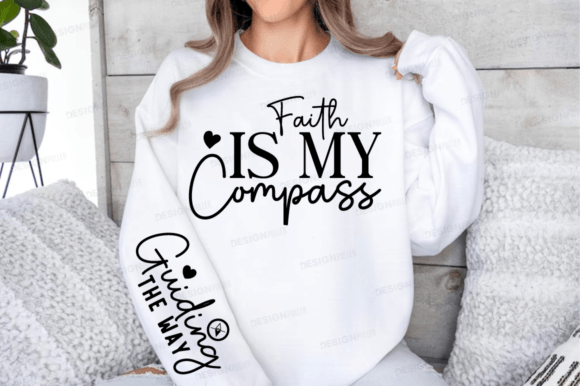
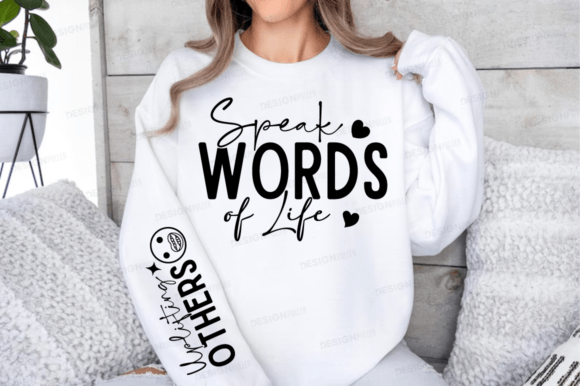
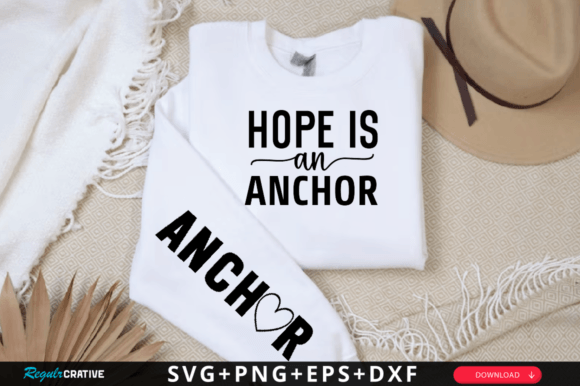
When I opened Broken Yet Blessed Sleeve SVG Design, I didn’t see just another inspirational phrase — I saw a quiet narrative. The layout leans slightly diagonal, with “Broken” rendered in soft, broken-line lettering and “Blessed” flowing more fully beneath it, anchored by a subtle sleeve motif wrapping the lower edge. It’s not flashy. It doesn’t shout. But it *resonates* — especially for handmade products meant to carry meaning: a maternity sweatshirt, a grief-support tote bag, or a nursery pillow cover for a family navigating loss and hope.
How It Stitches: Real Embroidery Behavior
I tested Broken Yet Blessed Sleeve SVG Design on midweight cotton twill (for an apron), French terry (for a unisex sweatshirt), and lightweight linen (for a tea towel). On stable, medium-weave fabrics with proper cutaway stabilizer, the design held its shape beautifully — especially the sleeve contour, which reads clearly as a gentle curve rather than a stiff outline. The letterforms are spaced generously, avoiding tight kerning that often collapses in satin stitch. That’s critical: this isn’t a high-density machine embroidery design built for speed — it breathes. It uses thoughtful fill stitch transitions and avoids overworked corners, so thread tension stays even across runs.
Where it shines most is in custom apparel and personalized gifts. On a charcoal crewneck sweatshirt? Warm, grounded, and deeply human. On a cream baby onesie? Delicate but legible — no tiny serifs or fragile stems that vanish under 30 stitches per inch. As a totally embroidered patch, it worked cleanly at 3.5" wide — the sleeve element gave visual weight without demanding excessive stitch count.
Where to Use It — and Where to Pause
This design fits naturally into small shop product lines that value emotional authenticity: boutique nursing tanks, counselor office decor, hospice volunteer apparel, or wedding weekend robes for bridesmaids supporting a friend through hardship. It’s strong for holiday embroidery too — think “broken yet blessed” stitched beside a simple olive branch on a linen kitchen towel for Thanksgiving.
But here’s where judgment matters: avoid using Broken Yet Blessed Sleeve SVG Design on highly textured fabrics like bouclé or thick terry cloth without adjusting stitch density and stabilizer layers. On stretchy fabric (like ribbed knits), the sleeve curve can distort unless you use light tear-away + topping. And while it’s legible on dark fabric, test your thread colors carefully — a heather gray thread on navy may mute the contrast needed for the “broken” line effect. Also, skip curved surfaces like caps unless you’re confident in your cap frame setup; the diagonal flow doesn’t adapt well to severe curvature.
What It Adds to Your Finished Product
This isn’t decorative fluff. When stitched well, Broken Yet Blessed Sleeve SVG Design elevates perceived value. Customers notice intentionality — the spacing, the balance between fragility and strength in the lettering, the way the sleeve cradles the message like support. That builds customer trust, especially for Etsy sellers offering personalized gifts tied to life transitions. It also reinforces brand consistency for craft businesses rooted in mindfulness, wellness, or compassionate storytelling.
I’ve seen similar phrases fall flat when over-digitized — too sharp, too dense, too “clip-art.” This one avoids that. It feels hand-tuned, not auto-traced. That translates directly to handmade presentation: no need to over-explain the stitching in your listing photos. The design speaks for itself.
Practical Notes Every Embroidery Designer Should Check
- Test first on scrap fabric — especially if using it for baby embroidery or items requiring frequent washing. Check for fraying edges or loose thread nests in the “broken” segments.
- Review stitch density before scaling beyond 4". At larger sizes, some fill areas may benefit from slight digitizing tweaks to prevent puckering.
- Confirm hoop size compatibility. While it’s labeled a T-Shirt Designs graphic, its diagonal orientation means it may require a 5"x7" hoop minimum — not just a 4"x4". Measure the bounding box before loading.
- Inspect small details in your embroidery software: the gaps in “Broken” should be clean breaks, not accidental jump stitches. If your file lacks clean vector paths, ask the seller for a revised digital embroidery file.
- Try black-and-white mockups. This design relies on tonal contrast, not color — so verify readability on both light and dark backgrounds before finalizing your printable mockup or Etsy listing.
- Use appropriate stabilizer: cutaway for knits, medium-weight tear-away for stable wovens, and always a light topping for lint-prone fabrics like fleece.
- Check licensing. Since it’s marketed as a Graphics file usable “on mugs, signs, cards and much more,” confirm whether commercial use of the finished product is permitted — especially if you’re selling embroidered patches or wholesale apparel.
Final Thought: A Quiet Asset for Meaningful Making
Broken Yet Blessed Sleeve SVG Design won’t dominate a craft fair table with glitter or scale. But it will linger in a customer’s memory — the one who touches the sleeve detail on her therapy-office tote and says, “This gets me.” That’s the power of a well-considered embroidery project: not perfection, but resonance. For creative entrepreneurs building collections around empathy, healing, or everyday courage, this is less a decoration and more a quiet collaborator. Just remember: let the fabric, the stabilizer, and your own stitch judgment do the talking — because this design already knows how to listen.