But God SVG: A Designer’s Real-World Embroidery Review
Let’s be honest—I opened But God Svg, but God Shirt Svg expecting something predictable. Instead, I found a quiet, confident design that lands differently in the hand than it does on screen. As someone who’s stitched hundreds of faith-based embroidery files for custom apparel, boutique merchandise, and personalized gifts, I tested this one on a heavyweight cotton tote bag destined for a church volunteer’s 50th birthday. That’s where its strengths—and subtle limitations—became unmistakably clear.
First Impressions: Simplicity with Substance
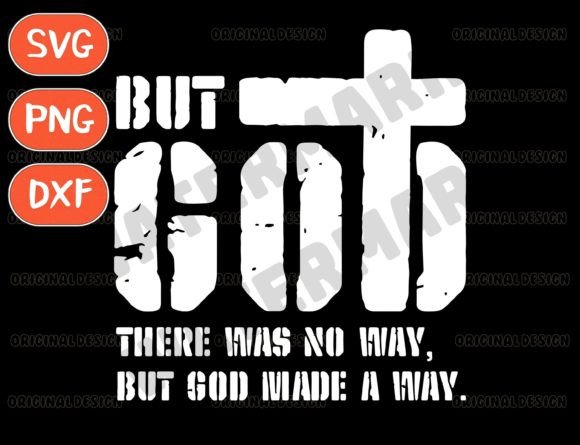
The But God Svg, but God Shirt Svg opens clean and centered: no ornate borders, no decorative flourishes, just strong, legible lettering with intentional spacing. It reads like spoken truth—not a sermon, not a slogan, but a pause. The font leans slightly serifed but avoids stiffness; it has warmth without sacrificing clarity. Visually, it feels grounded—not flashy, not fragile—which makes it ideal for projects where authenticity matters more than trendiness: nursery decor, women’s ministry sweatshirts, or embroidered tea towels for a pastor’s anniversary gift.
How It Stitches: Where This Design Shines (and Where It Needs Care)
In real embroidery, But God Svg, but God Shirt Svg performs best when treated as a statement piece—not background filler. On a mid-weight cotton tote bag with tear-away stabilizer and 40-weight polyester thread, the lettering held crisp edges and even stitch density. No skipped stitches, no thread nesting, and zero distortion—even across the slight curve of the bag’s gusset.
It also translated well to a lightweight unisex crewneck sweatshirt, using cutaway stabilizer and a medium-density fill stitch. The phrase remained legible at 3.5" wide—ideal for left-chest placement. But here’s the caveat: on stretchy fabric like jersey or thin baby onesies, I’d recommend testing first with a tighter hoop tension and possibly switching to a satin stitch outline for added definition around each letter.
This isn’t a dense, multi-layer applique design—it’s a clean machine embroidery design built for readability, not ornamentation. That means it works reliably on caps (with proper cap framing), pillow covers, and even small embroidered patches—but avoid pushing it below 2.75" wide. Tiny lettering risks loss of contrast and stitch integrity, especially in fill areas where thread density can flatten detail.
Fabric & Function: Know When to Lean In—or Step Back
But God Svg, but God Shirt Svg is forgiving on textured fabrics—like linen-blend tea towels or canvas aprons—because its spacing and weight prevent visual clutter. But on dark fabric? Thread choice becomes critical. I tested it in white and ecru on navy cotton, and while both worked, the ecru felt more integrated—less “on top,” more “of the fabric.” For high-wash items like baby bibs or kitchen towels, stick with high-quality thread and reinforce the back with light iron-on stabilizer.
Where it needs caution: curved surfaces with tight seams (think baseball caps or toddler beanies), ultra-thin fabrics (like chiffon overlays), and layered garments (e.g., hoodies with thick fleece backing). In those cases, reduce stitch density if your software allows—or pair it with a simple running-stitch border to anchor the shape.
Why This Works for Your Craft Business—Not Just Your Sewing Room
If you’re an Etsy seller or small shop owner, But God Svg, but God Shirt Svg earns its place in your digital embroidery file library because it bridges personal meaning and commercial appeal. Customers don’t buy “faith SVGs”—they buy heirloom-quality baby blankets with quiet hope stitched into the corner, or matching mom-and-daughter sweatshirts that feel intentional, not generic.
I’ve used it in printable mockups for social media listings—and it converts. Why? Because it doesn’t shout. It invites. That builds trust. When buyers see consistent, clean stitching in your product photos, they assume care behind every finished product. And that perception lifts perceived value—especially for handmade products priced above $35.
For craft fairs or local boutiques, pair it with neutral, natural-fiber blanks: oatmeal-colored totes, charcoal sweatshirts, ivory pillow covers. It reads as elevated—not mass-produced—because the design breathes. No overcrowding, no competing elements. Just clarity.
Practical Designer Notes Before You Stitch
- Always test first—on scrap fabric matching your final project’s weight and stretch.
- Check thread color contrast on both light and dark backgrounds before digitizing or stitching.
- Review stitch density: If your machine struggles with tight fills, simplify with a lighter fill stitch or add a subtle satin outline.
- Confirm hoop size compatibility: This design scales cleanly between 3"–4.5", but verify your smallest hoop fits comfortably with seam allowance.
- Inspect small details: Especially the crossbar on the “t” and spacing between “But” and “God”—these define legibility at smaller sizes.
- Test black-and-white mockups: Faith-based designs rely on tone as much as text—does it feel reverent, not rigid?
- Use appropriate stabilizer: Cutaway for knits, tear-away for stable wovens, fusible for lightweight linens.
- Verify licensing: Since this is listed as a digital embroidery file with no physical item sent, confirm whether commercial use (e.g., selling embroidered totes on Etsy) is permitted before listing finished products.
A Final Thought for Makers Who Mean What They Make
But God Svg, but God Shirt Svg won’t win awards for complexity—but it doesn’t need to. Its strength is in restraint. It leaves room for the wearer’s story, the buyer’s intention, the maker’s care. Whether you’re embroidering a holiday gift for a grieving friend or building a cohesive line of faith-centered T-Shirt Designs, this graphic supports meaning without overshadowing it. That’s rare. And worth keeping close.