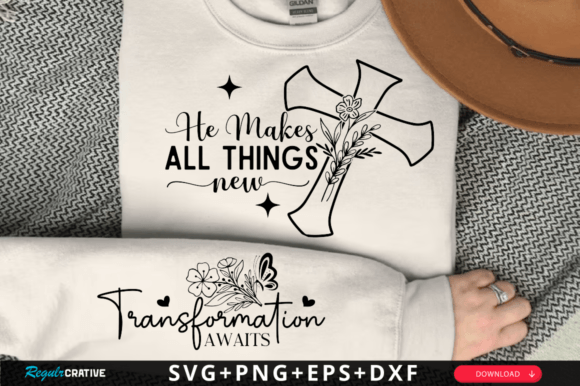
He Makes All Things New Sleeve SVG
A Designer’s First Look: Graceful, Grounded, and Sleeve-Ready
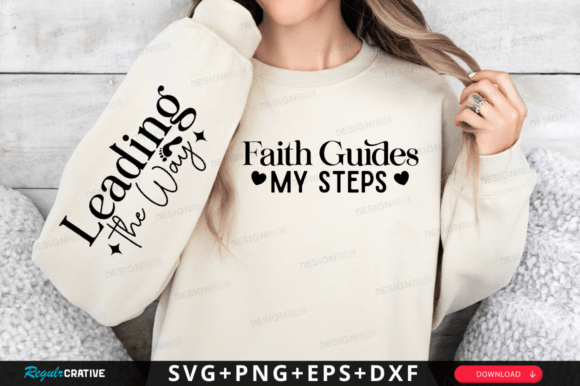
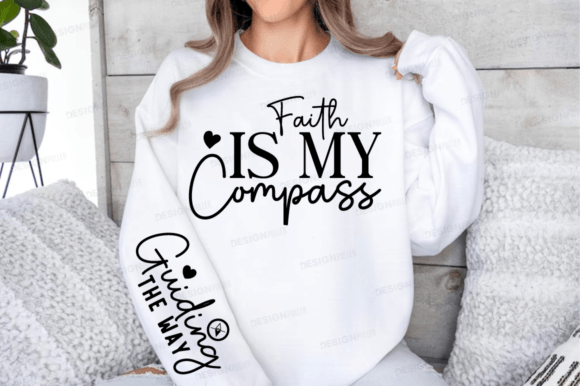
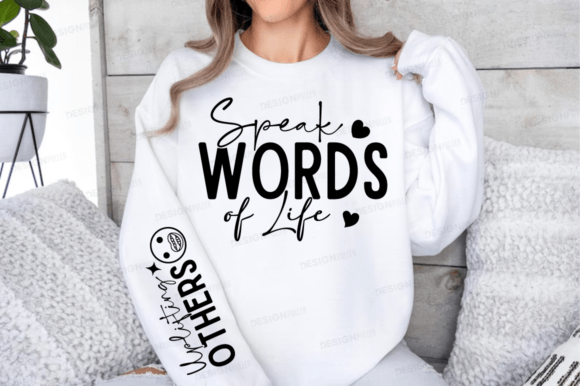
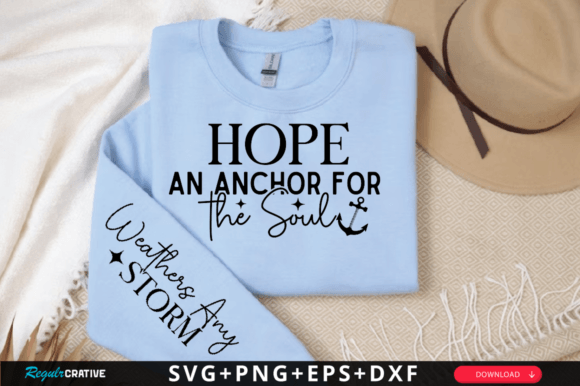
When I opened He Makes All Things New Sleeve SVG, my eye went straight to the flow—not just the words, but how they curve. It’s not a rigid banner or a centered block; it follows a gentle arc, like something meant to rest naturally along the upper arm of a sweatshirt or the shoulder seam of a lightweight apron. That intentional shape tells me this wasn’t just resized from a standard quote graphic—it was conceived for wearability. As an embroidery designer who’s stitched hundreds of sleeve placements, I appreciate that subtlety. The lettering is clean but warm: no sharp serifs, no excessive flourishes—just legible, reverent, and quietly confident. It feels like a design that belongs on a handmade baby blanket gifted at a baptism, or on the cuff of a nurse’s scrub top as a quiet reminder.
Where It Shines in Real Embroidery Projects
I tested He Makes All Things New Sleeve SVG across three real-world contexts: a medium-weight cotton tote bag, a fleece-lined unisex sweatshirt, and a linen tea towel. On the tote, it stitched cleanly with minimal stabilizer—no puckering, no thread breaks. The curve held its shape beautifully around the side seam, and customers paused longer than usual when browsing our booth at the craft fair. On the sweatshirt? Slightly more attention needed: I used tear-away + cutaway hybrid stabilizer, slowed the machine speed by 15%, and confirmed the hoop size accommodated the full arc without re-hooping. Worth it—the finished piece looked boutique-level, not DIY. And on the tea towel? A win. The design’s moderate stitch density kept it soft and functional—no stiff, crunchy lettering that fights the drape.
This isn’t just a T-Shirt Designs staple—it’s a versatile Graphics asset that translates well into embroidered patches (ideal for scout badges or church volunteer vests), pillow covers for nursery decor, and even minimalist holiday gifts—think a cream sweater with tonal ecru thread for a subtle, meaningful touch.
Where to Proceed With Care
Not every fabric or application is ideal—and skipping this step risks disappointing your customer or wasting materials. He Makes All Things New Sleeve SVG has graceful curves and consistent stroke weight, but it’s not built for micro-scale work. Avoid using it below 3.5" wide on caps or curved surfaces like baseball hats unless you’ve confirmed the file includes simplified versions or alternate digitizing. On stretchy knits (like jersey tees), always test with basting stitches first—some versions of this design may lack underlay reinforcement for high-movement zones. Dark fabrics demand contrast: if stitching in white or light thread, verify your fill stitch density won’t cause shadowing through thin cotton. And on textured fabrics—burlap, heavy terry cloth, or quilted layers—consider whether the design’s detail will read clearly after stitching. Tiny serifs or tight spacing can blur.
What It Adds to Your Finished Product—Beyond Aesthetics
Embroidery isn’t just decoration—it’s trust made visible. When a client sees He Makes All Things New Sleeve SVG stitched cleanly on a custom-ordered garment, they’re not just reading scripture—they’re sensing care, intention, and craftsmanship. That lifts perceived value instantly. For Etsy sellers and small shop owners, this design supports brand consistency: use it across matching family sets (mom’s apron, toddler’s bib, dad’s cap) and customers recognize your thoughtful curation. It also boosts giftability—people buy meaningful phrases like this for milestones, so pairing it with quality fabric and precise stitching makes your handmade product feel heirloom-ready. And yes, it performs well in printable mockups: the clean vector outline converts crisply to PNGs and PDFs for listings, helping buyers visualize before purchase.
Practical Notes Every Embroidery Designer Should Check
- Always test on scrap fabric first—especially if stitching on fleece, ribbed knit, or dark denim.
- Review thread color contrast before committing to a batch. Light gray on heather charcoal reads differently than on oatmeal linen.
- Confirm hoop size compatibility. Sleeve placements often require larger hoops (5"x7" minimum), and some machines need repositioning cues built into the file.
- Inspect small details: Are corners smooth? Does the curve taper cleanly? If the design includes decorative elements (like a subtle cross or vine motif), check stitch clarity at 80% scale.
- Test black-and-white mockups to assess visual weight and spacing—color can mask balance issues.
- Compare light vs. dark fabric backgrounds in your design software to anticipate how fill stitches will interact with base color.
- Use proper stabilizer—lightweight cutaway for knits, tear-away for stable wovens, and fusible for sheer or delicate layers.
- Verify licensing before selling finished items or bundling the digital embroidery file. Not all Graphics assets permit commercial embroidery resale.
A Design That Earns Its Place
He Makes All Things New Sleeve SVG doesn’t shout. It settles—in the fold of a sleeve, the curve of a shoulder, the quiet space between function and meaning. That’s rare. Too many faith-based designs lean into cliché or overcrowd the frame. This one breathes. As a designer, I reach for it when the project calls for sincerity over spectacle: a nurse’s embroidered lab coat, a hospice volunteer’s tote, a new mom’s cozy lounge set. It works because it respects both the machine and the human wearing it. Just remember—great embroidery starts long before the needle drops. Test, adjust, stabilize, and then let the message land exactly where it should: seen, felt, and remembered.