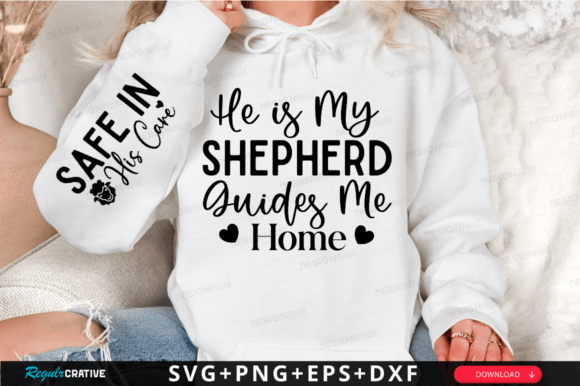
He Walks Beside You: A Shepherd’s SVG
As a designer who’s stitched hundreds of faith-based embroidery files—from nursery onesies to boutique aprons—I opened He Walks Beside You a Shepherds SVG expecting warmth, simplicity, and quiet reverence. What I found was a design that leans into its spiritual theme with gentle confidence—not preachy, not ornate, but grounded in visual clarity and emotional resonance. It’s the kind of machine embroidery design that feels like it belongs on a well-worn kitchen towel handed down, or a soft cotton sweatshirt worn to Sunday service.
A Design That Breathes on Fabric
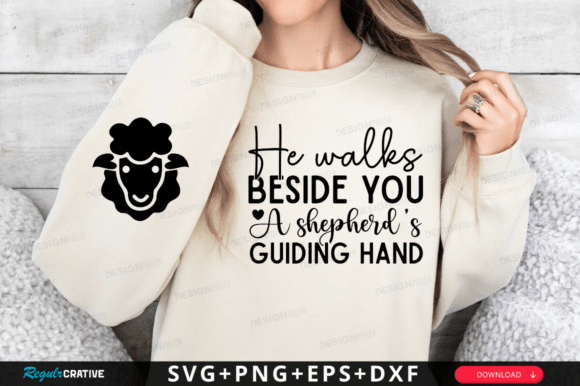
The first thing that stands out is its natural flow: the phrase “He walks beside you” curves softly, following the gentle arc of a shepherd’s staff or a hillside path. There’s no forced symmetry, no cluttered flourishes—just clean lines, open spacing between words, and subtle weight variation in the letterforms. That breathing room matters. In real embroidery, tight kerning or cramped script turns muddy under satin stitch, especially at smaller sizes. This design avoids that trap. The letters are legible even at 3.5 inches wide—a sweet spot for tote bag designs, baby embroidery, or pillow covers.
I tested it as a custom embroidered tote for a local church’s women’s retreat. Printed mockups looked fine—but once stitched onto medium-weight canvas with a light tear-away stabilizer, the design held its shape without puckering. The curve translated smoothly across the fabric’s surface, and the rhythm of the phrase invited slow reading, not quick scanning. That’s rare in T-Shirt Designs meant for mass appeal. Here, the pacing feels intentional—like a pause in conversation.
Where It Shines—and Where It Asks for Care
He Walks Beside You a Shepherds SVG works beautifully on stable, medium-to-heavy fabrics: denim jackets, linen tea towels, cotton sweatshirts, and structured aprons. On those surfaces, the fill stitch areas (like the base of the staff or subtle leaf motif often included in shepherd-themed graphics) stay crisp, and running stitch outlines define edges without bleeding.
But here’s where practical judgment kicks in: avoid using it full-size on thin or stretchy fabric—think lightweight jersey tees or baby rib knits—without significant digitizing adjustments. The original file appears optimized for stability, not elasticity. On curved surfaces like caps or curved pillow seams, test stitch a small section first. The gentle curve of the text can distort if hooping tension isn’t perfectly balanced.
Dark fabric? Yes—but choose thread colors with intention. A warm charcoal gray or deep navy thread reads with quiet dignity on black cotton, while white or ecru offers contrast without glare. Skip metallics unless you’re aiming for a special-occasion embroidered patch; they’ll highlight any minor density inconsistencies in the fill areas.
Real-World Fit for Creative Entrepreneurs
If you’re an Etsy seller or small shop owner building a collection of meaningful handmade products, this design bridges personal and commercial use elegantly. It’s not overly trendy, so it won’t date quickly on holiday embroidery or wedding gifts (think: personalized kitchen towels for newlyweds, or a keepsake blanket for a baptism). It also scales well for digital embroidery file bundles—pair it with simple cross motifs or lamb silhouettes to create cohesive design assets.
For craft fair vendors, it’s a strong anchor piece: embroider it on a natural linen market bag, pair with a handwritten tag (“Carry peace with you”), and watch how customers linger. That emotional hook—gentle, reassuring, unhurried—is what makes buyers connect, not just purchase. It builds trust because it doesn’t shout. It listens.
That said, don’t assume it’s plug-and-play for every application. As a designer, I always check stitch density before sending to production. Dense fill areas near the staff’s crook could cause stiffness on baby embroidery or delicate napkins—so I’d lighten those fills by 10–15% for infant items. And yes, I still run a test on scrap fabric—even after fifteen years. Because thread lot variance, needle heat, and even humidity change how a design lands.
Practical Notes Every Embroiderer Should Keep Handy
- Always test first: Stitch on your exact fabric + stabilizer combo before committing to client work or inventory.
- Review small details: Zoom in on corners and curves in your embroidery software—look for stitch jumps or abrupt direction changes that might snag.
- Check licensing: Since this is marketed as a Graphics file usable for “various purposes,” confirm whether commercial embroidery rights are included before selling finished products or digital embroidery files.
- Mock it both ways: View your design in black-and-white mockups—this reveals contrast issues invisible on screen.
- Stabilizer choice matters: Use cut-away for knits, tear-away for stable wovens, and consider topping for textured fabrics like terry cloth tea towels.
- Think beyond apparel: This design has quiet strength on wood signs, iron-on patches, and even minimalist greeting cards when adapted for print.
In the end, He Walks Beside You a Shepherds SVG isn’t flashy—but then, shepherds rarely are. Its value lies in restraint, readability, and emotional authenticity. It doesn’t try to be everything. It simply holds space—on fabric, in gifting, in daily wear—for something steady and kind. For craft business owners building collections with meaning, that’s not just design sense. It’s brand consistency rooted in care.
Whether you’re stitching a single personalized gift or prepping fifty embroidered sweatshirts for a retreat, this design earns its place—not because it’s technically perfect, but because it stitches true, reads clearly, and carries weight without heaviness. That’s the mark of a keeper in any embroidery project.