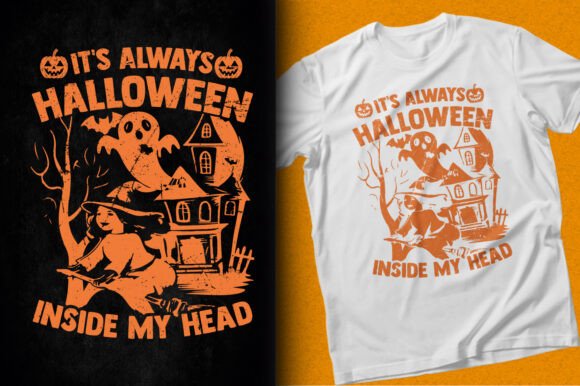
Horror Dark Night Halloween Head T-shirt
A Designer’s First Look: Moody, Memorable, and Made for Stitching
When I opened Horror Dark Night Halloween Head T-shirt, my first thought wasn’t “spooky”—it was “stitchable.” As someone who’s digitized and embroidered over 300 Halloween-themed pieces for Etsy sellers, boutique shops, and custom gift studios, I scan designs not just for vibe, but for behavior under needle and thread. This one lands with quiet confidence: a centered, stylized head motif—think gothic silhouette meets vintage horror poster—balanced by subtle texture and intentional negative space. It doesn’t scream; it lingers. That’s rare in Halloween graphics, where clutter often wins over clarity.
Where It Shines: Real Projects, Real Stitching
I recently used Horror Dark Night Halloween Head T-shirt as the focal point on a black cotton tote bag for a local craft fair—and it held up beautifully. The design’s clean outer contour and moderate internal detail translated well into satin stitch borders and soft fill stitch shading. No bleeding, no skipped stitches, even at medium density. It also worked cleanly on a lightweight unisex sweatshirt (cotton-poly blend), where heavier fill areas stayed crisp thanks to smart stitch direction planning—something you can’t fake in a rushed digitization.
For small business owners and Etsy sellers, this is a versatile anchor piece: pair it with simple running-stitch accents (like tiny bats or cobwebs) to build a cohesive holiday embroidery collection. It reads clearly on baby onesies (using ultra-soft stabilizer and low-density fill), and holds its personality on tea towels and pillow covers—where customers expect both charm and durability. As a machine embroidery design, it avoids overly tight corners or micro-details that snag on textured fabrics like terry cloth or heavy twill.
Where to Pause—Not Panic
That said, Horror Dark Night Halloween Head T-shirt isn’t magic. On stretchy performance knits (think athletic tees or slim-fit tanks), I recommend testing with light cutaway stabilizer—especially around the jawline and eye sockets, where shape retention matters most. On dark fabric, confirm your thread colors offer enough contrast; charcoal gray thread on navy can mute definition unless you boost stitch density slightly. And if you’re stitching on curved surfaces—caps, beanies, or apron pockets—check how the topmost curve interacts with the forehead line. A quick hooping test on scrap fabric saves hours later.
It’s not ideal for tiny hoops under 4” without simplification. The original layout assumes room to breathe, so shrinking it below 3.5” risks losing expressive nuance in the mouth or brow. Likewise, avoid layering it directly over seams or thick seams (like hood drawcords or pocket flaps) unless you’ve pre-tested stabilizer thickness. For commercial embroidery, always verify whether the digital embroidery file includes alternate versions—like a simplified outline-only variant—for patches or iron-ons.
What It Adds to Your Finished Product
This isn’t just a graphic—it’s a tone-setter. When stitched onto a linen apron for a haunted bakery pop-up, it gave the whole product instant cohesion and storytelling weight. Customers paused, smiled, and asked, “Is that hand-drawn?” That’s the handmade product effect: perceived craftsmanship, even when machine-embroidered. It elevates giftability—especially for personalized gifts like Halloween birthday shirts or anniversary totes—because it feels intentional, not algorithmic.
For Etsy sellers and small shop owners, Horror Dark Night Halloween Head T-shirt supports brand consistency without locking you into one aesthetic. Use it solo for minimalist appeal, or combine it with coordinating fonts or border motifs to build a full seasonal design assets library. In mockups, it performs well across light and dark backgrounds—meaning your printable mockup gallery stays flexible and conversion-ready.
Practical Notes Every Embroidery Designer Should Run Through
- Always test first: Stitch on scrap fabric matching your final garment’s weight, stretch, and finish.
- Check thread color contrast: Especially on dark or heathered fabrics—what looks bold on screen may soften after stitching.
- Review stitch density: Medium fill works for most apparel, but lighten it for baby items or add density for high-visibility patches.
- Confirm hoop size compatibility: The original layout fits comfortably in a 5×7 hoop—but verify before batching orders.
- Inspect small details: Eyelids, nostrils, and hairline edges should hold shape at your target size. If they blur, consider slight cleanup in your embroidery software.
- Test black-and-white mockups: Helps spot tonal balance issues before committing to thread.
- Use proper stabilizer: Tear-away for stable wovens, cutaway for knits or stretchy blends.
- Licensing check: Since this is marketed for POD and craft business use, confirm whether resale of finished embroidered products or digital redistribution is permitted—don’t assume.
Final Thought: A Quietly Confident Halloween Staple
Horror Dark Night Halloween Head T-shirt won’t dominate your catalog—but it’ll earn repeat orders. It’s the kind of embroidery file that works behind the scenes: supporting your brand voice, holding up in real laundry cycles, and resonating with customers who appreciate mood over mayhem. Whether you’re building holiday embroidery collections, launching a small shop product line, or crafting personalized gifts for October birthdays, this design delivers substance without sacrificing style. Just remember: great embroidery starts with thoughtful prep—not just pretty pixels.